

Uganda Gorilla Trekking : Complete Travel Guide
Uganda gorilla trekking is one of Africa’s most unforgettable wildlife experiences. Deep in the misty forests of southwestern Uganda, travelers have the rare opportunity to walk through ancient rainforest and spend a magical hour observing endangered mountain gorillas in their natural habitat.
Uganda is home to two destinations where visitors can trek mountain gorillas: Bwindi Impenetrable National Park and Mgahinga Gorilla National Park. Both offer remarkable encounters, but each provides a slightly different trekking experience.
Whether you are planning your first gorilla safari or comparing Uganda with Rwanda, this guide covers everything you need to know about gorilla trekking in Uganda in 2026, including where to go, permit costs, the best time to visit, what to pack, trekking rules, and a suggested 3-day itinerary.
What Is Gorilla Trekking?
Gorilla trekking is a guided wildlife experience in which visitors hike through the forest in search of habituated mountain gorilla families.
Once the gorilla family is located, visitors are allowed to spend a limited amount of time observing them from a safe distance. You may see adults feeding, young gorillas playing, mothers caring for their babies, or a dominant silverback watching over the family.
The experience is much more than simply seeing wildlife. You are entering the gorillas’ natural environment and witnessing their social interactions at close range.
A typical trek involves:
- Reporting to the park headquarters early in the morning.
- Receiving a briefing from park staff.
- Being assigned to a gorilla family.
- Beginning the forest trek with trained guides and trackers.
- Searching for the gorillas based on their previous location.
- Spending the permitted viewing time with the gorilla family.
- Hiking back out of the forest.
The length and difficulty of the trek can vary considerably. Some groups may be found relatively close to the starting point, while others may require several hours of hiking through steep or muddy terrain.
Where to Go Gorilla Trekking in Uganda?
Uganda has two national parks where travelers can experience mountain gorilla trekking.
Bwindi Impenetrable National Park
Bwindi Impenetrable National Park is Uganda’s most famous gorilla safari destination and is located in southwestern Uganda.
The park is known for its ancient rainforest, steep terrain and rich biodiversity. Gorilla trekking takes place in different sectors of the park, including:
- Buhoma
- Ruhija
- Rushaga
- Nkuringo
The sector where you trek is important when planning your accommodation and transportation because the sectors are separated by mountainous terrain and roads can be winding.
Bwindi is particularly attractive to travelers who want to combine gorilla trekking with other Uganda safari experiences. Depending on your itinerary, you can combine your trek with destinations such as Queen Elizabeth National Park, Kibale National Park or Lake Bunyonyi.
Mgahinga Gorilla National Park
Mgahinga Gorilla National Park is located in Uganda’s southwestern corner and forms part of the larger Virunga conservation landscape shared by Uganda, Rwanda and the Democratic Republic of the Congo.
The park is smaller than Bwindi but offers spectacular scenery dominated by volcanic mountains.
Gorilla trekking in Mgahinga can be particularly rewarding for travelers who enjoy dramatic mountain landscapes and forest hiking.
Mgahinga is also home to the Batwa cultural experience, which can add a cultural dimension to your trip.
Gorilla Trekking Permit Costs
A gorilla trekking permit is required before participating in a standard gorilla trek.
For 2026 travel, the standard Uganda gorilla trekking permit for foreign non-residents is USD 800 per person under the current Uganda Wildlife Authority tariff. Foreign residents and East African citizens have different rates, so travelers should confirm the applicable tariff when booking.

The permit is important because it contributes toward:
- Conservation of mountain gorillas
- Protection of their forest habitat
- Park management
- Monitoring and veterinary work
- Supporting local communities around the parks
Gorilla Habituation Experience
Uganda also offers a more extended gorilla habituation experience in the Rushaga sector of Bwindi.
Unlike the standard trek, habituation allows visitors to spend considerably longer with a gorilla group undergoing habituation. It is designed for travelers looking for a more immersive experience.
Because permits and regulations can change, it is advisable to confirm the current price and availability with the Uganda Wildlife Authority or an authorized tour operator before making payment.
Best Time for Gorilla Trekking
Gorilla trekking can be done throughout the year, but some periods are generally more favorable for hiking.
Dry Seasons
The traditional dry seasons are generally
- June to August
- December to February
These months tend to have better trekking conditions, although rain is possible at any time because Bwindi and Mgahinga are rainforest environments.
During the drier months:
- Trails are often easier to navigate.
- Hiking conditions can be more comfortable.
- Roads may be easier to access.
- Photography conditions can be favorable.
However, these periods can also be popular, so permits and accommodation should be booked well in advance.
Wet Seasons
The wetter periods generally occur around:
- March to May
- September to November
Rain can make trails muddy and slippery, but there are advantages to traveling during these periods. Forests can be lush and green, and some accommodation and safari services may offer lower-season rates.
Most importantly, there is no guarantee of dry weather or an easy trek in any season. Mountain rainforest weather can change quickly.
What to Pack for Gorilla Trekking
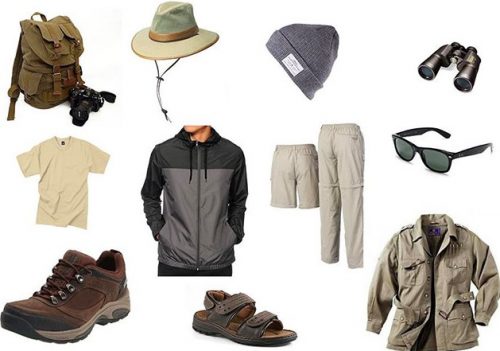
Proper preparation can make a major difference to your trekking experience. Here is a list of things to pack for your gorilla safari.
Essential items
Hiking boots
Choose waterproof or water-resistant boots with good grip.
Long trousers
These protect your legs from vegetation, mud and insects.
Long-sleeved shirt
Useful for protection from vegetation and insects.
Rain jacket
Rain can occur even during the traditionally drier months.
Water
Bring enough drinking water for the hike.
Daypack
A comfortable backpack is useful for carrying your essentials.
Gloves
Gardening or lightweight hiking gloves can protect your hands when moving through vegetation.
Insect repellent
Useful for minimizing insect bites.
Hat and sunscreen
Forest trekking can still expose you to strong sunlight, particularly in open areas.
Camera
Bring a camera or smartphone, but remember to prioritize the experience and follow the guides’ instructions around wildlife.
Optional items
You may also consider carrying:
- Walking poles
- Binoculars
- Waterproof backpack cover
- Snacks
- Extra socks
- Small first-aid kit
- Waterproof phone pouch
- Lightweight trousers or gaiters
Trekking Rules and Safety
Gorilla trekking is carefully regulated to protect both visitors and gorillas.
Some of the most important rules include:
Maintain a safe distance
Keep the distance instructed by the guides and follow all ranger instructions.
Do not touch the gorillas
Even if a gorilla approaches you, do not attempt to touch it.
Avoid visiting when sick
Mountain gorillas are susceptible to human illnesses. If you are unwell, particularly with a contagious respiratory illness, inform the authorities or your tour operator before trekking.
Do not eat around the gorillas
Food should not be consumed in the presence of the gorillas unless specifically instructed by your guide.
Do not use flash photography
Flash can disturb the animals.
Keep your voice low
Avoid shouting or making sudden movements.
Follow your ranger
Your guides and trackers understand gorilla behavior and the forest environment. Their instructions are designed to protect both you and the gorillas.
Respect the forest
Do not litter or remove plants, flowers or other natural objects from the park.
Suggested 3-Day Itinerary
A 3-day Uganda gorilla trekking safari is one of the shortest practical itineraries for travelers focusing specifically on gorilla trekking.
Day 1: Kampala/Entebbe to Bwindi
Depart Kampala or Entebbe early in the morning and begin your journey toward southwestern Uganda.
Depending on your route, you may stop for lunch along the way and enjoy views of Uganda’s countryside.
Continue toward your selected Bwindi sector and check into your lodge.
Overnight: Bwindi area
Day 2: Gorilla Trekking
Wake up early and have breakfast before heading to the park headquarters for briefing.
After registration and allocation to a gorilla family, begin your trek into the forest.
The trek may take several hours depending on the location of the gorilla family.
Once you find the gorillas, enjoy your regulated viewing experience before beginning your return journey.
After the trek, return to your lodge to relax.
Overnight: Bwindi area
Day 3: Bwindi to Kampala/Entebbe
After breakfast, begin your journey back toward Kampala or Entebbe.
Depending on your departure time, you can make stops along the route for lunch, sightseeing or photography.
For travelers with more time, consider extending the safari to include Queen Elizabeth National Park, Kibale National Park or Lake Bunyonyi.
Frequently Asked Questions
How much does gorilla trekking cost in Uganda?
The standard gorilla trekking permit for foreign non-residents is USD 800 per person under the current 2026 tariff. Your overall safari cost will be higher because accommodation, transportation, meals, park-related services and other expenses are separate.
How difficult is gorilla trekking in Uganda?
The difficulty varies. Some treks may take only a few hours, while others can involve steep terrain and several hours of hiking.
A reasonable level of fitness is recommended.
How long do you spend with the gorillas?
The standard gorilla trekking experience provides a regulated viewing period with the gorilla family. Your ranger will explain the applicable rules and timing during the briefing.
Is Uganda gorilla trekking safe?
Yes. Gorilla trekking is conducted under the supervision of trained guides, trackers and park authorities. Visitors must follow the instructions provided by their ranger.
What is the best national park for gorilla trekking in Uganda?
Bwindi is the most established gorilla trekking destination and offers several trekking sectors. Mgahinga National Park provides a smaller-scale experience with spectacular volcanic scenery.
The best choice depends on your itinerary, accommodation preferences and travel route.
Can I combine gorilla trekking with a Uganda safari?
Absolutely. Gorilla trekking can be combined with game drives in Queen Elizabeth National Park, chimpanzee trekking in Kibale National Park, boat safaris, cultural experiences and other activities.
How far in advance should I book a gorilla permit?
Booking several months ahead is recommended, especially if you plan to travel during popular periods. Early booking also makes it easier to secure your preferred trekking date and accommodation.
Can children go gorilla trekking?
The minimum age for standard gorilla trekking is generally 15 years. Always confirm the current regulations when booking because park policies and conditions can change.
Conclusion
Uganda gorilla trekking offers one of the most extraordinary wildlife encounters in Africa. Walking through the ancient forests of Bwindi or Mgahinga and coming face-to-face with a mountain gorilla is an experience that stays with you long after your safari ends.
With the right preparation, you can make your trek considerably more comfortable. Book your gorilla permit early, choose appropriate accommodation, pack suitable hiking gear and allow enough time for the journey to southwestern Uganda.
Whether you choose Bwindi Impenetrable National Park or Mgahinga Gorilla National Park, your gorilla trekking adventure offers an opportunity to experience Uganda’s remarkable wildlife while contributing to the conservation of these endangered primates and the communities surrounding their habitat.
Planning your Uganda gorilla trekking adventure? Contact a licensed Uganda safari operator to help you secure your permit, accommodation, transportation and complete safari itinerary.